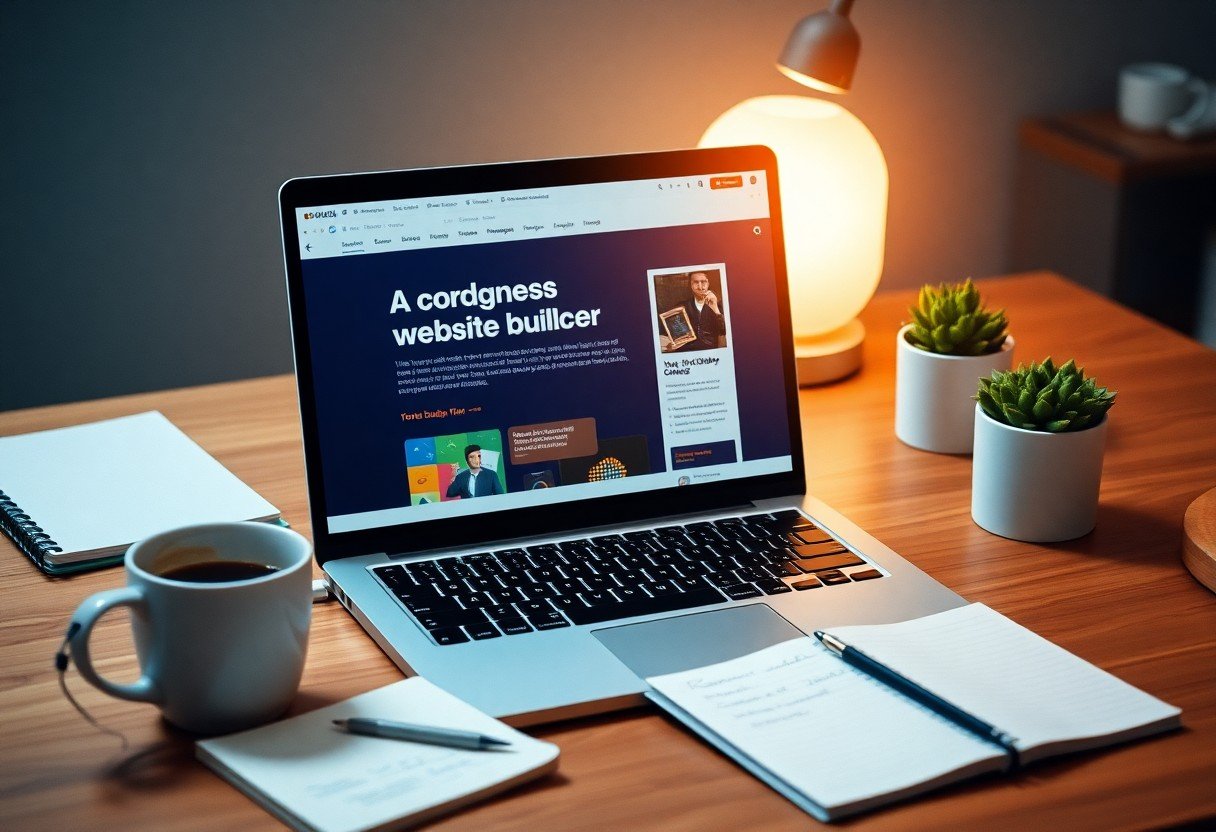
People often jump into building a website without a plan. This frequently leads to frustration. Don’t let confusion hold you back; Instead, WordPress is your powerful tool to create something amazing. Therefore, This guide will walk you through the necessarys, ensuring you avoid rookie mistakes while unleashing your creativity. The right steps can transform your ideas into a thriving online presence. Let’s get started on building a website that showcases your vision and helps you connect with your audience.
Key Takeaways:
- Choose a domain name and hosting provider that fits your needs.
- Familiarize yourself with the WordPress dashboard and key features.
- Select and customize a theme to reflect your site’s purpose.
- Install important plugins for functionality and security.
- Regularly update content and maintain the website for optimal performance.
Understanding the Types of WordPress Websites
You need to grasp the different types of WordPress websites to tailor your approach effectively. Each type serves distinct purposes, catering to varying needs and goals. First, you must understand the types. Then, below is a breakdown:
| Type | Description |
| Blog | A platform for sharing thoughts, news, and tips. |
| Business Website | Showcases your brand and services. |
| E-commerce Store | Facilitates online buying and selling. |
| Portfolio | Displays your work or creative projects. |
| Membership Site | Offers exclusive content to subscribers. |
Thou must decide which type aligns with your vision!
Blog
A blog is your go-to if you’re looking to express ideas, share stories, or offer insights. It’s a flexible format that lets you engage your audience through your writing, and with plugins like Yoast SEO, you can optimize your content for search engines. For example, with plugins like Yoast SEO… Moreover, whether you’re sharing personal experiences or industry news, a blog builds community and strengthens your personal brand.
Business Website
Your business website is a digital storefront showcasing your offerings. It’s vital to highlight your services, values, and contact info, making it easy for potential clients to reach you. Use plugins like Elementor. These help you design a professional website without needing coding skills.
This type of website acts as an imperative tool in establishing your brand’s online presence, with critical elements like compelling visuals and testimonials. Keep your website updated with fresh content and promote it on social media platforms to attract traffic.
E-commerce Store
Building an e-commerce store on WordPress opens up a world of possibilities to sell products directly online. Using WooCommerce makes it straightforward to configure your shop, manage inventory, and process payments smoothly. Your online store should be appealing. It must also be user-friendly to enhance the shopping experience.
Integrate imperative features like product reviews and wish lists to personalize the shopping journey for your customers. Drive sales by optimizing your store for mobile, given that many users shop on their phones. Stay active on social media to promote your products and engage with customers for lasting loyalty.

Step-by-Step Process to Create Your First Site
| Domain and Hosting Setup |
Your first step is securing a domain name that represents your brand, alongside a reliable hosting provider. Look for options like Bluehost or SiteGround, which often include a free domain for the first year. Don’t skimp on this; your domain is your digital identity. |
| Installing WordPress |
With your domain and hosting lined up, installing WordPress is straightforward. Most hosting services offer a one-click installation option that simplifies this process. Just follow the prompts, and you’re almost there. |
| Choosing a Theme |
Picking a theme is vital; it defines the look and feel of your site. Opt for a responsive theme that aligns with your brand and goals. Explore both free and premium options on the WordPress theme repository and pick one that resonates. |
Domain and Hosting Setup
Your first step is securing a domain name that represents your brand, alongside a reliable hosting provider. Look for options like Bluehost or SiteGround, which often include a free domain for the first year. Don’t skimp on this; your domain is your digital identity.

Installing WordPress
With your domain and hosting lined up, installing WordPress is straightforward. Most hosting services offer a one-click installation option that simplifies this process. Just follow the prompts, and you’re almost there.
After your domain is live with hosting, access the control panel of your hosting account. Locate the WordPress installer feature, and initiate it. You’ll select your domain, set up your admin credentials, and kick off the installation. In mere moments, you’ll have your very own WordPress site ready to be customized.
Choosing a Theme
Picking a theme is vital; it defines the look and feel of your site. Opt for a responsive theme that aligns with your brand and goals. Explore both free and premium options on the WordPress theme repository and pick one that resonates.
Your theme serves as the foundation of your site’s aesthetics and functionality. Evaluate themes based on reviews, ratings, and demo sites. Consider features like customization options and responsiveness to mobile devices. A strong theme enhances the user experience. This ensures your visitors stick around and engage with your content.
Essential Tips for Beginners
As you initiate on your WordPress journey, keeping a few imperative tips in mind will set you up for success. Focus on creating engaging content, optimizing your site for SEO, and maintaining a responsive design. Utilize social media to drive traffic and engage with your audience. Also, back up your website regularly to avoid data loss. Assume that these practices will enhance your site’s visibility and user experience. For more insights
Navigating the Dashboard
The WordPress dashboard is your command center. It provides access to all aspects of your site, including posts, pages, and media. Familiarize yourself with the menus and how to customize your settings. This streamlined interface allows you to manage content easily, so you can focus on building your brand rather than getting lost in technicalities.
Plugins to Enhance Functionality
WordPress plugins are your best friend for adding unique features to your site. A few must-have plugins include Yoast SEO for search optimization, WooCommerce for e-commerce, and Jetpack for security. These tools can significantly improve your site’s performance and user experience, enabling you to achieve your website goals.
When identifying plugins, prioritize ones that align with your site’s objectives. For example, if you’re aiming to boost search engine visibility, integrating a plugin like Yoast SEO will guide you through optimizing your content effectively. Additionally, plugins often come with user-friendly interfaces and support, making implementation a breeze. With a few strategic installations, you can transform a basic site into a powerful online presence capable of reaching and engaging your target audience.
Key Factors to Consider Before Launching
Before hitting that launch button, assess key elements that can make or break your site. Consider your target audience, website performance, and mobile responsiveness. Also, think about your branding and how it aligns with user expectations. Analyze your competitors and identify unique selling points. Any oversights can cost you traffic and conversions, so dive deep into your planning. For more insights, check out
Affordable Graphic Design Services
Solutions for Your Digital Problems
Content Strategy
Your content strategy shapes how effectively you engage with your audience. Focus on creating valuable content that addresses user needs while keeping it fresh and relevant. Plan a mix of formats—blogs, videos, and infographics—to cater to diverse preferences. Use a content calendar to maintain consistency and monitor performance to refine your approach over time.
SEO Basics
Understanding SEO is non-negotiable for driving organic traffic to your site. You’ll need to incorporate strong keywords, optimize meta tags, and create quality backlinks. It’s crucial to ensure your site architecture is user-friendly and that your content answers specific queries your audience has. Good SEO practices not only boost visibility but also enhance user experience.
Focusing on SEO isn’t just about stuffing keywords. For example, Google’s algorithm favors high-quality, relevant content. Aim for an optimal balance of on-page and off-page SEO tactics. Toolkits like Google Analytics and Search Console can guide your efforts, helping you track performance and adapt strategies effectively. Ignoring SEO is like opening a store in a deserted area. You won’t get traffic unless you make strategic moves to attract visitors.
Pros and Cons of Using WordPress
| Pros | Cons |
|---|---|
| Highly customizable with thousands of themes and plugins. | Initial learning curve can be steep for beginners. |
| Strong community support and resources. | Ongoing maintenance required for updates and security. |
| SEO-friendly with various optimization tools. | Hosting and premium plugins can add to costs. |
| Mobile responsive themes available. | Potential for slow performance if overloaded with plugins. |
| Multilingual support for global reach. | Customizations may require coding knowledge. |
Pros: Flexibility and Community Support
You’ll find WordPress is unparalleled in its flexibility; the platform lets you build anything from a simple blog to a complex e-commerce site. With thousands of themes and plugins, you can mold your site to meet your unique vision. The community support is stellar—forums, tutorials, and guides abound, making it easy to find help when you hit roadblocks.
Cons: Learning Curve and Maintenance
Be ready for a bit of a ride; plunging into WordPress means facing a learning curve that can feel overwhelming. From navigating the dashboard to understanding plugins, you’ve got to invest time in learning. Plus, regular updates and maintenance are non-negotiable to keep your site secure and running smoothly, which can take additional commitment.
The reality is that while the learning curve challenges you, it’s also where growth happens. You start picking up valuable skills, from basic coding to SEO tactics. This knowledge not only makes your website better but empowers you in the long run. Maintenance might seem a hassle, but think of it as a small price for keeping your site optimized and users happy. The key is to get comfortable with the process—you’ll thank yourself as your website flourishes.
To wrap up
Drawing together everything you’ve learned, building your first WordPress website is not just a task; it’s a game-changer for your personal brand or business. Embrace the process, and don’t sweat the small stuff—just dive in, keep experimenting, and make it your own. You have the skills, the tools, and the drive to create something amazing. So, take that leap and watch your vision come to life online. Your digital journey starts now; let’s crush it!
FAQ
Q: What are the first steps to create a WordPress website?
A: To create a WordPress website, start by choosing a domain name and a hosting provider. Next, install WordPress through your hosting account, select a theme, and customize your site’s appearance and settings according to your preferences.
Q: Do I need coding skills to build a WordPress website?
A: No, you don’t need any coding skills to build a WordPress website. WordPress is user-friendly and provides drag-and-drop editors that allow you to design your site without writing code. However, basic knowledge of HTML or CSS can be helpful for advanced customizations.
Q: How do I choose the right theme for my WordPress site?
A: When choosing a theme, consider your website’s purpose, desired aesthetics, and mobile responsiveness. Browse the WordPress theme repository or premium theme marketplaces, and look for themes with high ratings and good support.
Q: What plugins should I install for my first WordPress site?
A: Important plugins for beginners include an SEO plugin (like Yoast SEO), a security plugin (such as Wordfence), and a backup plugin (like UpdraftPlus). Additionally, consider a page builder plugin for enhanced layout options and features.
Q: How can I ensure my WordPress website is secure?
A: To secure your site, use strong passwords, keep WordPress, themes, and plugins updated, install a security plugin, and regularly back up your website. Additionally, consider using SSL certificates to encrypt data transfers.









![[Artistly Design] 019a17a8-e325-731c-bbf3-a3ecdcf9b9b4](https://greenwebmonster.com/wp-content/uploads/2025/11/Artistly-Design-019a17a8-e325-731c-bbf3-a3ecdcf9b9b4.png)
![[Artistly Design]-019a69cc-06fb-7205-a4d1-29b753e4c824](https://greenwebmonster.com/wp-content/uploads/2025/11/Artistly-Design-019a69cc-06fb-7205-a4d1-29b753e4c824-2.webp)
![[Artistly Design]-019a69cc-06fc-72f0-bb8c-66b8ea162c6d](https://greenwebmonster.com/wp-content/uploads/2025/11/Artistly-Design-019a69cc-06fc-72f0-bb8c-66b8ea162c6d-3.webp)
![[Artistly Design]-019a69cc-06fc-72f0-bb8c-66b8eaf1c613](https://greenwebmonster.com/wp-content/uploads/2025/11/Artistly-Design-019a69cc-06fc-72f0-bb8c-66b8eaf1c613-3.webp)
![[Artistly Design]-019a69cc-06fc-72f0-bb8c-66b8eb708f8f](https://greenwebmonster.com/wp-content/uploads/2025/11/Artistly-Design-019a69cc-06fc-72f0-bb8c-66b8eb708f8f-4.webp)
![[Artistly Design]-019a778e-8f7b-7127-b987-be3eef6e84d4](https://greenwebmonster.com/wp-content/uploads/2025/11/Artistly-Design-019a778e-8f7b-7127-b987-be3eef6e84d4-2-scaled.webp)